If your floors feel soft near the kitchen or the back bedroom, and the whole house smells a little musty when the AC kicks on, the problem usually starts under your feet. In Baxter, a lot of homes sit over open, vented crawl spaces. That design made sense years ago. In our climate, it works against you.
The Upper Cumberland sits on limestone and karst. Water moves through the ground in ways you cannot always see, and the clay soil around Baxter swells when it rains and shrinks in dry spells. That wet and dry cycle keeps the dirt under your home damp for weeks at a time. Add summer humidity coming through the foundation vents, and you have a crawl space that stays wet, warm, and dark. That is exactly what wood rot and mold want.
Why Vented Crawl Spaces Fail Here
The old thinking was simple. Put vents in the foundation walls and let outside air dry the crawl space. It sounds reasonable until you look at how humid it actually gets in Middle Tennessee from June through September.
Warm outside air holds a lot of moisture. When that air drifts into a cool crawl space, it hits the cold surfaces and drops its water onto your framing, your ductwork, and the underside of your subfloor. So the vents that were supposed to dry things out are the reason your crawl space stays damp. On the worst days you can see droplets hanging off the floor joists.
Over time that moisture softens wood. Older Baxter homes often rest on wood posts or short piers, and those posts sit right in the soil. Damp dirt wicks up into the wood, and the posts start to give. That is when you notice the bounce in the floor and the gaps opening around baseboards.
What Encapsulation Actually Does
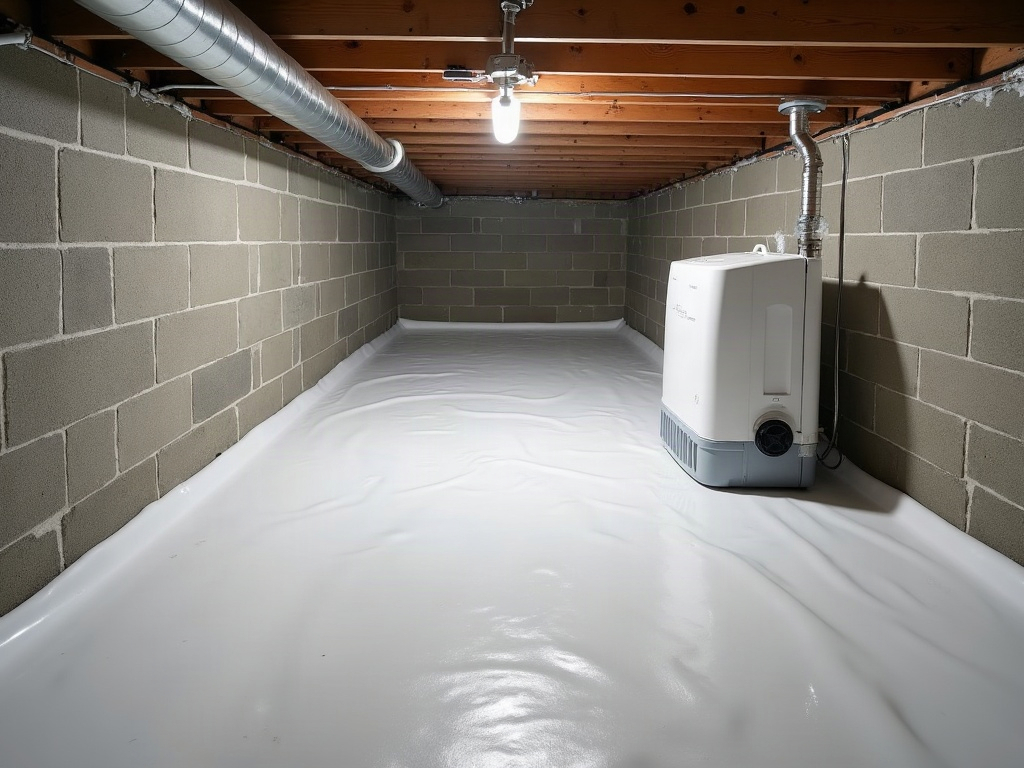
Crawl space encapsulation in Baxter means turning that open, dirt-floored space into a clean, sealed, dry area. The work is straightforward, but the details matter.
First we clear out the debris, old torn plastic, and any wet insulation that has fallen down. Then we seal the foundation vents and any gaps where outside air sneaks in. A heavy vapor barrier goes down over the entire floor and up the foundation walls. We overlap and seam the panels so the ground moisture stays trapped underneath instead of rising into the air your family breathes.
In most Baxter homes we add a dehumidifier sized for the space. That keeps the humidity steady even during a wet stretch. If we find standing water or a low spot where runoff collects, a drainage system and a sump pump handle it so water has somewhere to go before it pools under the house.
The result is a crawl space you could actually crawl into without getting muddy. The air upstairs smells better because you are no longer pulling damp, moldy air up through the floor. Your HVAC does not have to fight all that extra moisture, either.
The Connection to Soft, Bouncy Floors
Encapsulation solves the moisture. It does not always solve the damage that moisture already caused. This is an important distinction for homeowners here.
If your floors bounce, the framing under them may have weakened, or an old wood post may have rotted or settled into soft clay. Sealing the crawl space stops the problem from getting worse, but the sagging beam is still sagging. That is where Structural Floor Support comes in. We set adjustable steel supports on proper footings to lift and stabilize the framing. Paired with encapsulation, you fix the cause and the symptom together.
We usually inspect both at once. There is no sense sealing a crawl space and leaving a failing post in place, and there is no sense propping up a beam that is going to sit in a wet environment and rot again.
What to Expect During the Work
Most encapsulation projects on a typical Baxter home take a few days, depending on the size and condition of the crawl space. Access matters. If the opening is small or the clearance is tight, it takes longer, but we work with what the house gives us.
You do not need to leave your home while we do it. The work happens under the house, so day-to-day life stays about the same. We keep the crawl space entrance covered and clean up the yard when we finish.
After the job, you have a sealed space that is easy to check. We recommend a look once or twice a year, just to confirm the dehumidifier is running and nothing new has shifted. If you ever have a plumbing leak, the sealed liner makes it obvious fast, which saves you from a slow hidden problem.
Is It Worth It for Your Home?
For most homes in this area, yes. Between the karst geology, the clay that never fully dries, and the humid summers, a vented crawl space is fighting a losing battle. Encapsulation gives you cleaner air, more stable floors, and less risk of rot in the framing you depend on.
If you are not sure where your home stands, the honest answer is that a look under the house tells the story quickly. Give DrySpace a call at 931-650-5859 and we will walk you through what we find, in plain terms.
FAQ
Frequently asked questions
How much does crawl space encapsulation cost in Baxter?
It depends on the size of the crawl space, how much cleanup is needed, and whether drainage or a dehumidifier is part of the job. We give a clear quote after we inspect your crawl space, so you know exactly what the work covers before anything starts.
Will encapsulation fix my soft, bouncy floors?
Encapsulation stops the moisture that causes rot, but it does not lift framing that has already weakened. If your floors bounce, you likely need structural floor support along with the sealing work. We inspect both together so you fix the cause and the damage at the same time.
Do I still need crawl space vents after encapsulation?
No. In our humid climate, open vents pull in moist outside air that condenses under the house. Part of encapsulation is sealing those vents so the crawl space stays dry and controlled instead of tracking the outdoor humidity.