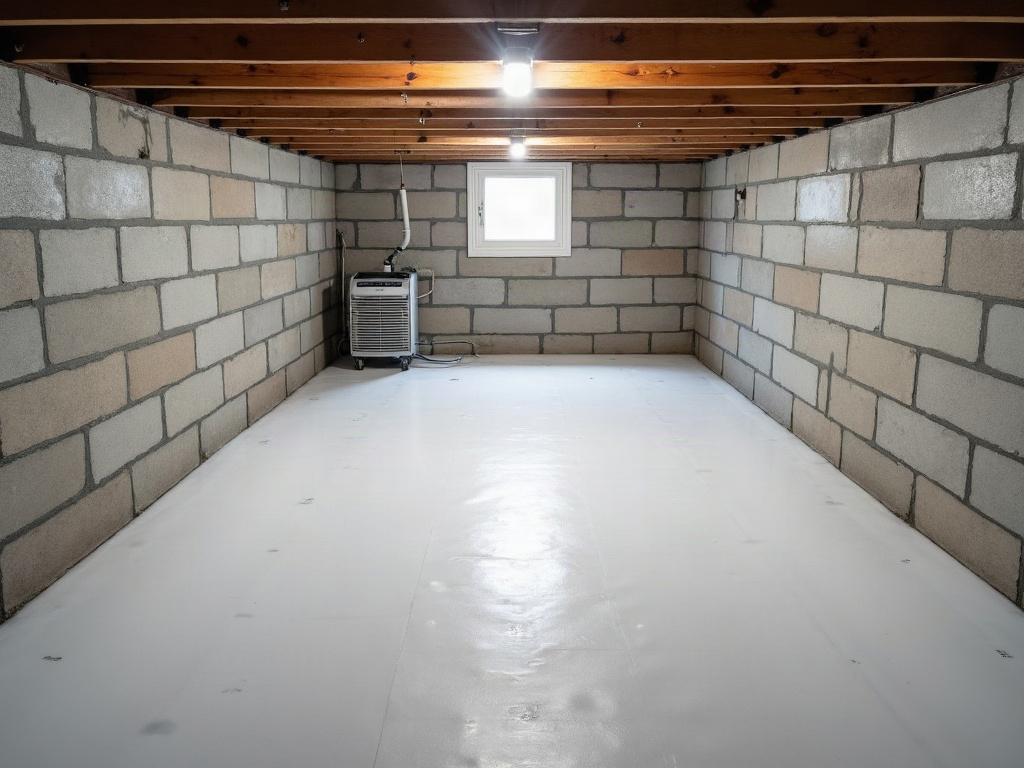
If you live in Algood and open the door to your crawl space on a warm afternoon, you might notice it first with your nose. A cool, musty smell rolls out. The ground feels damp. Maybe you see beads of water on the ductwork or a dark stain creeping up a wood post. That smell is not just old air. It is a sign that the space under your house is fighting the weather, and losing.
This is a common story here in the Upper Cumberland. Between Cookeville and Baxter, homes sit on limestone and karst ground that moves water in ways you cannot always see. Add our wet-dry clay cycles and long humid summers, and a vented crawl space turns into a sponge. The good news is that this is a solvable problem, and crawl space encapsulation in Algood is usually the right long-term fix.
Why Algood Crawl Spaces Stay Damp
The geology under Algood does a lot of the work against you. Limestone and karst mean water travels through cracks and channels, then rises into the soil below your home. After a heavy rain, that soil can hold moisture for days. During dry stretches, the clay shrinks and pulls away, then swells again when the rain returns. That constant movement is hard on footings and posts.
Then there is the air itself. Older homes around here were built with vented crawl spaces, based on the old idea that outdoor air keeps things dry. In our climate, it does the opposite. Warm, humid summer air flows through those vents and hits the cooler surfaces under your floor. The moisture condenses, just like a cold glass of tea sweats on the porch. Now you have wet wood, wet insulation, and a perfect place for mold and wood rot to grow.
Signs You Notice Upstairs
Most homeowners do not spend time in their crawl space, so the warning signs usually show up in the living areas first. Watch for these:
- Floors that feel soft or bouncy when you walk across a room. - A musty or earthy smell that comes back no matter how much you clean. - Allergy flare-ups, stuffy air, or higher humidity inside the house. - Cupped or gapping hardwood, or squeaky spots that keep spreading. - Cold floors in winter and sticky floors in summer.
These are not separate problems. They usually trace back to the same source, which is unmanaged moisture and air moving up through the floor. In building science, that upward flow is called the stack effect. A large share of the air you breathe upstairs actually starts in the crawl space.
What Encapsulation Actually Involves
Encapsulation is not just laying plastic on the dirt. Done right, it turns your crawl space into a clean, dry, sealed area that works with the rest of your home. Here is what the work generally includes.
First, we clean out the space. Old, sagging insulation, debris, and any moldy material come out. Standing water and drainage issues get addressed so the ground is not soaked when we start.
Next comes a heavy-duty vapor barrier. A thick liner covers the floor and runs up the foundation walls, sealed at the seams and around piers. This blocks the moisture rising out of the soil. The vents get sealed so humid outdoor air stops pouring in.
We also look at drainage and air. In wetter Algood crawl spaces, that can mean a drainage system or a sump to move water away from under the home. Many homes also benefit from a crawl space dehumidifier to hold humidity at a steady, safe level year round.
When rot has already softened the framing, sealing alone is not enough. That is where Structural Floor Support comes in, adding proper posts and support to firm up bouncy floors and stop further sagging.
The Difference You Feel
Once a crawl space is sealed and dry, the changes show up quickly. The musty smell fades. Floors feel more solid underfoot because the wood is no longer swelling and shrinking with the seasons. Indoor humidity becomes easier to control, which often makes the whole house feel more comfortable and can ease the load on your HVAC system.
There is a longer-term benefit too. Dry wood does not rot. Clean, sealed space does not invite mold or draw pests looking for moisture. You protect the framing, the ductwork, and the insulation, all of which are expensive to replace once they fail. In an area with our soil movement and humidity, that protection matters.
A Local Approach That Lasts
Algood is not a generic place, and your crawl space deserves a plan built for local conditions. The limestone ground, the clay cycles, and the summer humidity all shape what your home needs. A good inspection looks at where water enters, how the soil behaves, and whether any framing has already been damaged. From there, the fix is matched to your home rather than a one-size template.
If you have noticed a smell you cannot place, or floors that give a little when you walk, it is worth a look before the next wet season. Catching it early keeps the repair simpler and protects the parts of your home you cannot easily see. Call DrySpace at 931-650-5859 to talk through what is happening under your floor and what it will take to make it right.
FAQ
Frequently asked questions
How long does crawl space encapsulation take on an Algood home?
Most homes take one to three days, depending on size, moisture levels, and whether drainage or structural repairs are needed. A cluttered or very wet crawl space adds cleanup and prep time. We give you a clear timeline after an inspection.
Will encapsulation fix my soft, bouncy floors?
Sealing stops the moisture that causes wood to swell and weaken, which prevents new damage. If framing has already sagged or rotted, you also need added floor support to firm things up. We check both during the inspection.
Do I still need my crawl space vents open?
In our humid Upper Cumberland climate, open vents usually make things worse by letting warm, moist air condense on cool surfaces. Encapsulation seals those vents and controls humidity from inside, which keeps the space dry year round.