If you live in Crossville, you have probably noticed it on a warm July afternoon. You open a closet or step into a back bedroom and there is a faint musty smell that was not there in winter. Maybe the hardwood near the kitchen feels a little soft underfoot. Maybe the carpet in a corner stays cooler and slightly damp. These are not random problems. They almost always start below the floor, in a crawl space you rarely see.
The Upper Cumberland sits on limestone and karst geology, and the clay soil around Crossville goes through hard wet and dry cycles. In spring the ground holds water. In late summer it dries and shrinks. All year, a vented crawl space invites outside air to drift under your house. That air carries moisture, and moisture is what feeds every issue homeowners end up calling us about.
Why Vented Crawl Spaces Fail Here
For decades the standard practice was to put open vents in crawl space walls. The idea was that outside air would keep things dry. On the Cumberland Plateau, the opposite tends to happen. Our summer air is warm and loaded with humidity. When that warm air flows into a cool crawl space, it hits the cooler soil and surfaces and condenses. You end up with water forming on wood framing, on ductwork, and on the dirt floor itself.
That damp environment is exactly what mold and wood-rot fungus need. Over time the wood posts and beams that older Crossville homes often rely on start to soften. Insulation gets heavy with moisture and sags out of the joists. The whole underside of the house stays wet far longer than it should, season after season.
And because roughly half the air you breathe upstairs rises from the crawl space, whatever is happening down there does not stay down there. The musty smell travels. The humidity travels. Your air conditioner works harder to pull moisture out of indoor air that keeps getting resupplied from below.
What Encapsulation Actually Does
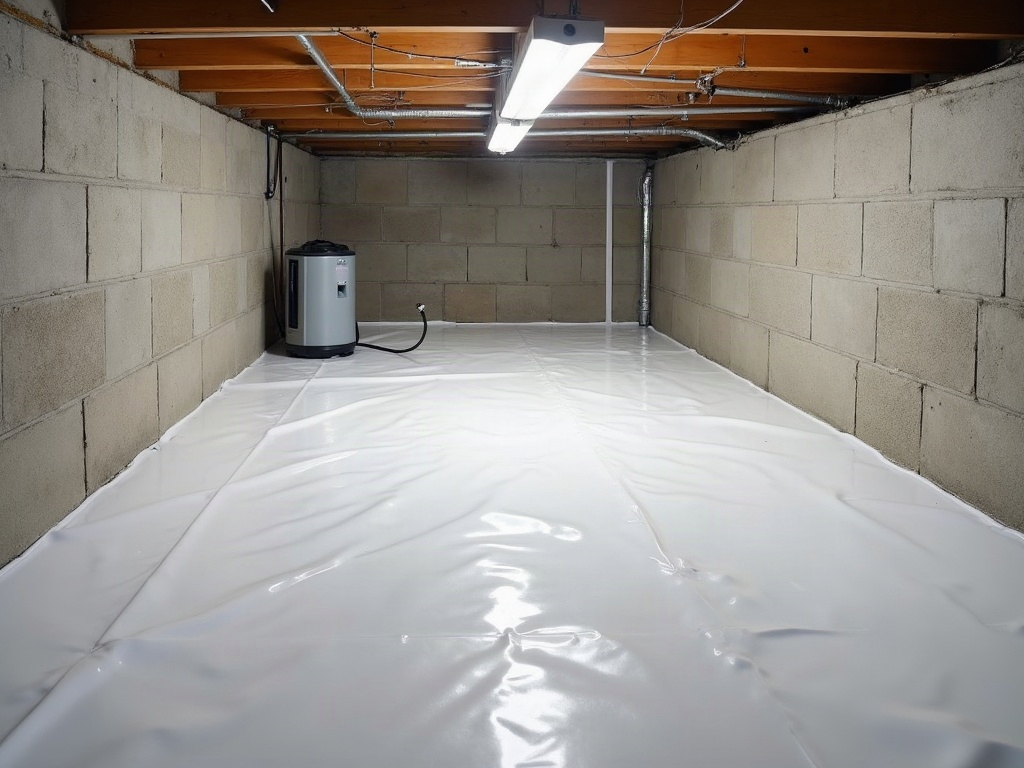
Encapsulation means sealing the crawl space off from the ground and the outside air so it stops acting like a sponge. The process is straightforward once you see it done. We clear out old wet insulation and any debris. We seal the vents that have been letting humid air in. Then we cover the floor and walls with a heavy, durable vapor barrier that is fastened and sealed at the seams.
The barrier blocks ground moisture from rising up through the soil. Sealing the vents stops the humid summer air from pouring in. In many Crossville homes we also add a dehumidifier sized for the space so the small amount of moisture that remains gets pulled out and kept under control. The result is a dry, clean area under your house that holds steady through the year instead of swinging with every weather change.
If you want the full breakdown of our process and pricing for your home, our page on crawl space encapsulation in Crossville walks through each step.
Soft Floors and the Posts Underneath
That bounce you feel when you walk across a room is worth paying attention to. Older homes around Crossville and nearby Cookeville and Baxter were frequently built on wood posts set into the crawl space. When moisture has been working on those posts for years, they can soften, settle, or shift. The floor above them starts to flex.
Encapsulation stops the moisture that caused the damage, but it does not lift a floor that has already dropped. When we find posts that are failing, we pair the dry-out work with Structural Floor Support. That means adjustable steel supports placed on proper footings to carry the load the old wood posts no longer can. Done together, you get a crawl space that stays dry and floors that stop moving.
What Changes Inside Your Home
Most homeowners notice the smell first. Within a short time of sealing the space, that damp basement odor fades because the source is cut off. The air upstairs feels less sticky in summer. Floors near exterior walls and above the crawl space feel firmer and warmer.
There are quieter benefits too. Dry wood stops rotting. Insulation stays dry and keeps doing its job. Metal ductwork and pipes stop sweating. Your HVAC system has less moisture to fight, which tends to show up on a power bill over a full season. And when it comes time to sell, a clean, sealed crawl space is something a home inspector will note in your favor.
When to Call
You do not need standing water to have a problem. Musty air, condensation on anything metal under the house, sagging insulation, and soft spots in the floor are all early signs. If you have seen any of those, it is worth a look before the wood takes more damage. A crawl space that gets inspected in the dry part of the year still tells us plenty about how it behaves when the humidity returns.
We work throughout Crossville and the surrounding Upper Cumberland. If you are not sure what is going on under your home, call us at 931-650-5859 and we will come take a look and tell you plainly what we find.
Frequently asked questions
How long does crawl space encapsulation take in a Crossville home?
Most homes take one to three days depending on the size of the crawl space, how much old insulation and debris need to come out, and whether we are adding structural supports or a dehumidifier. We give you a clear timeline after inspecting the space.
Will encapsulation fix my soft, bouncy floors?
Encapsulation stops the moisture that causes wood to rot and posts to weaken, but a floor that has already settled needs structural work to lift and support it. We often pair the two so you get a dry crawl space and firm floors in one project.
Do I still need crawl space vents after encapsulation?
No. On the Cumberland Plateau, open vents mostly let humid summer air in, which is the main cause of condensation and mold. Sealing those vents is a key part of keeping the space dry year round.